
"DON'T WAIT FOR PAIN" — UCI WARNS AS BREAST CANCER CASES SURGE ACROSS UGANDA
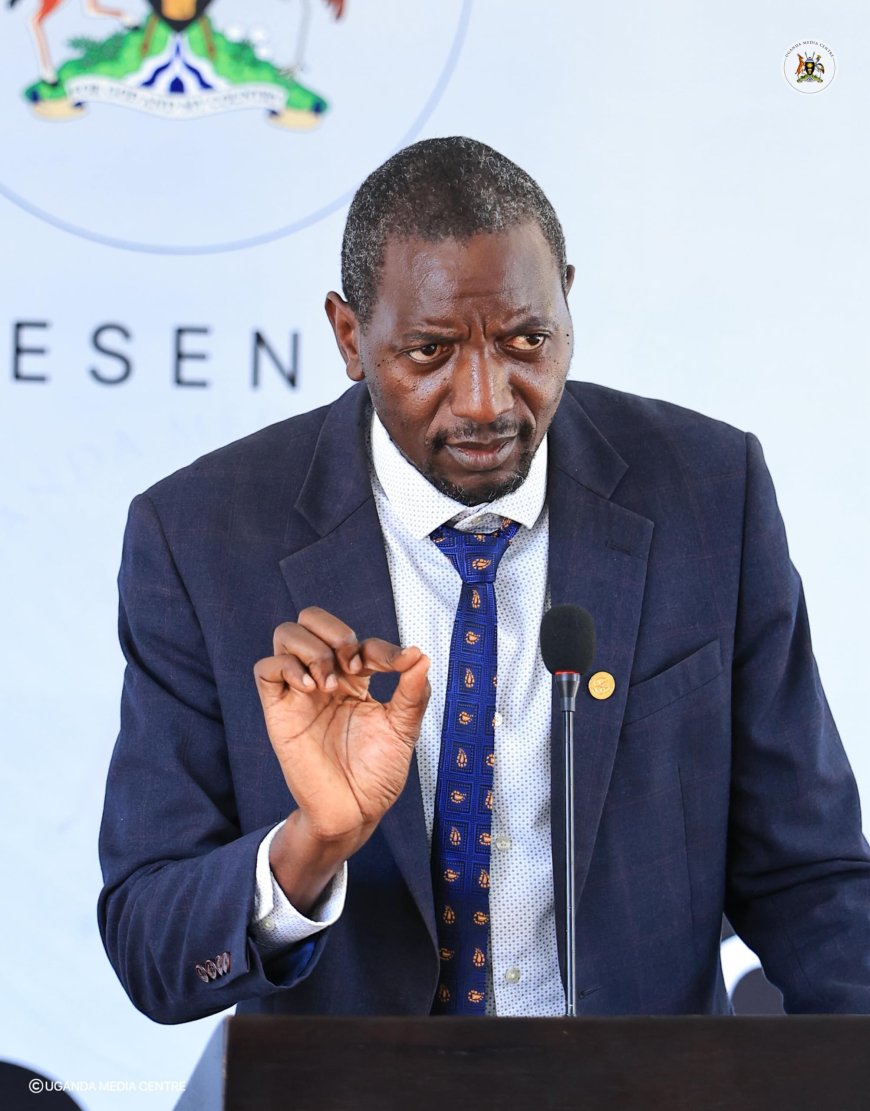
The Uganda Cancer Institute (UCI) has issued an urgent warning over a dangerous trend of delayed medical seekings. Dr James Kafeero, oncologist at the Uganda Cancer Institute said many patients are arriving at health centers only after their breast cancer has reached advanced, near-untreatable stages because early-stage tumors are usually completely painless,”he stated. "People come to us because of pain. Unfortunately, breast cancer, like many other cancers, does not necessarily cause pain in its early stages," cautioned Dr. James Kafeero, Head of Clinical Services, Screening and Community Cancer Services at the UCI. Waiting for severe physical discomfort critically limits treatment plans and directly compromises recovery odds. “People come to us because of pain. Unfortunately, breast cancer, like many other cancers, does not necessarily cause pain in its early stages,” Kafeero said. “People think cancer is a disease that can not be cured because they come late. They come when the disease has gone beyond the breast and spread to other parts of the body,” he said. Kafero urged Ugandans to embrace regular breast examinations and seek medical attention whenever they notice unusual changes, including lumps, swelling, or abnormal discharge. He encouraged women to become familiar with the normal appearance and feel of their breasts so they could identify changes early. “You can not know what is abnormal unless you know what is normal,” he said, urging women and men to examine their breasts regularly. Kafeero said breast cancer is the second most common cancer affecting women in Uganda, outpaced only by cervical cancer. It accounts for 11% of all new cancer cases nationwide across both sexes. The main facility at the Uganda Cancer Institute in Mulago registers approximately 350 new breast cancer cases annually. Thousands more go undiagnosed or seek surgery across regional hubs. Breast cancer is not strictly a female disease. In Uganda, an estimated 1 in every 100 breast cancer patients is male, with the country recording roughly 40 new male breast cancer cases annually. High Late-Stage Diagnoses: Nearly 80% to 89% of Ugandan women are diagnosed at late stages (Stage III or IV), plunging the average five-year survival rate down to roughly 46%–56%. According to Kafeero, early diagnosis can improve treatment options, with some patients qualifying for breast-conserving surgery rather than removal of the entire breast. He encouraged people with a family history of breast or ovarian cancer to discuss their risk with health professionals. As Uganda marks Breast Cancer Awareness Month in October, the UCI official called for greater public awareness, early diagnosis, and support for people living with the disease. This year’s global theme, “Every Story is Unique. Every Journey Matters,” highlights the individual experiences of breast cancer patients and the importance of appropriate care and support. As Uganda observes Breast Cancer Awareness Month this October, health officials are urging both men and women to practice routine self-examinations and track family histories. Under this year's global banner, "Every Story is Unique. Every Journey Matters," the focus remains heavily anchored on localized, empathetic care and breaking down community stigmas.
 Felix Oketcho
0
2