UK FUNDING CUT PLUNGES UGANDA’S FAMILY PLANNING INTO SUSTAINABILITY CRISIS
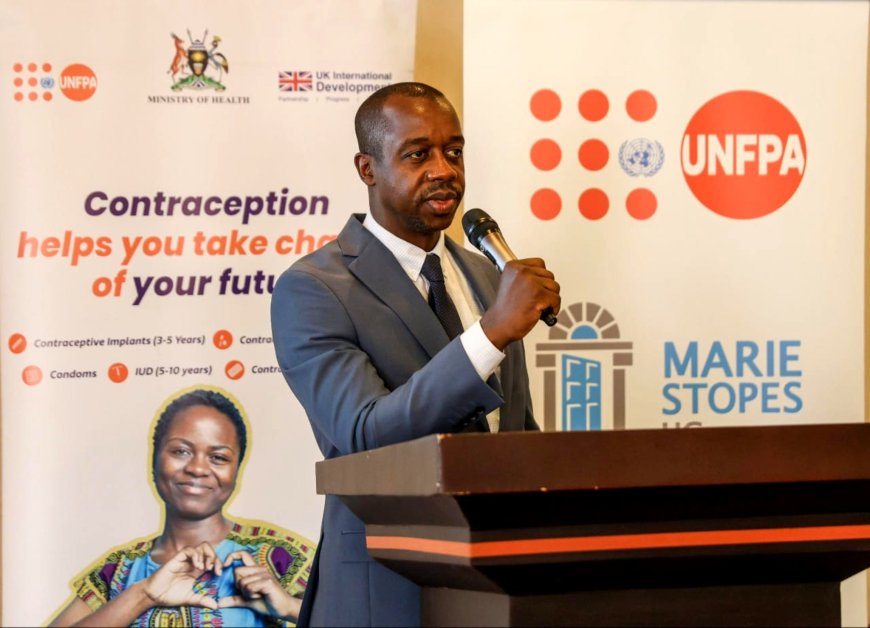
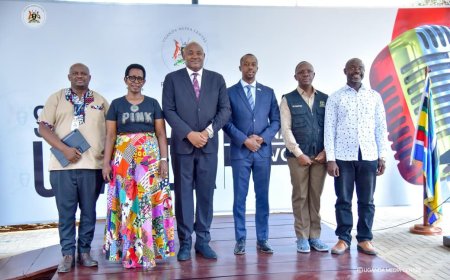
Uganda’s efforts to expand affordable family planning through private health facilities face a severe sustainability test following the premature closure of a UK-funded initiative that served over 640,000 women. The nine-month Empowering Women for Better Reproductive Health Outcomes (EMPOWER) project, led by the United Nations Population Fund (UNFPA) Uganda and backed by the UK’s Foreign, Commonwealth and Development Office (FCDO), ended early due to global reductions in official development assistance. Dominic Ashton, Development Director at the British High Commission in Kampala, announced the funding shift at the project's closure. He warned that Uganda must urgently strengthen domestic financing to sustain donor-funded gains, noting that the £8.2 million EMPOWER investment is part of over £200 million the UK has funneled into Ugandan reproductive health since 2011. “The £8.2 million the UK invested in EMPOWER is part of more than £200 million invested in reproductive, maternal and child health in Uganda since 2011,” Ashton said. He said the early closure was not a reflection of the programme’s design or the commitment of its implementing partners, but rather a shift in the global development financing landscape. The development raises questions about how Uganda will maintain affordable contraceptive supplies, trained health workers and private-sector service delivery systems after external funding ends. Despite the shortened implementation period, EMPOWER recorded significant reach, serving more than 640,000 women through commercial family planning services and generating over 140,000 couple-years of protection, a measure of the cumulative period during which couples are protected against unintended pregnancy. According to UNFPA Uganda Deputy Country Representative Daniel Alemu, the project sought to change how family planning services are financed and delivered by reducing dependence on donor-funded models and strengthening the commercial market. “We set out on an ambitious journey: to shift the paradigm of family planning from heavy reliance on donor-funded models to a vibrant, self-sustaining, and market-driven ecosystem,” Alemu said. The initiative enrolled 590 private service points, including health facilities and pharmacies, and trained 780 healthcare workers to provide modern, rights-based family planning services. It also facilitated affordable pricing agreements for five priority reproductive health commodities, including long-acting reversible contraceptives such as three-year implants and five-year intrauterine devices. Through mass media and an artificial intelligence-powered WhatsApp chatbot, the project reached nearly seven million people with family planning information. EMPOWER was implemented in Kampala, Wakiso and Mukono, where rapid urbanisation, population growth and changing lifestyles have increased demand for reproductive health services. The programme adopted the Total Market Approach, which encourages people able to pay for private healthcare to use commercial providers, allowing public facilities to concentrate resources on people who cannot afford the services. Alemu said the model was intended to make family planning more sustainable by expanding commercial supply chains and reducing reliance on donor-funded commodities. UNFPA also reported that private health insurers, including Old Mutual, CIC, Jubilee Health and Sanlam, had incorporated family planning into their standard health benefit packages. The project established price agreements and distributor relationships intended to improve the availability of contraceptives in private clinics and pharmacies. Its trained healthcare workers are expected to continue offering services after the project closes. However, sustaining these arrangements will require continued investment, reliable supplies and oversight, particularly as Uganda adjusts to a tighter international development financing environment. Ashton urged the government to take greater responsibility for maintaining essential health services, arguing that donor support should strengthen national capacity rather than substitute for it. “Donor funding should unlock national health capabilities, not substitute for them,” he said. He called for stronger domestic financing, coordinated health-sector planning and accountability to ensure that essential commodities remain available and trained health workers continue providing quality services. The UK is also shifting its development approach towards mobilising multilateral resources, strengthening technical partnerships and making sustainability a central consideration in future investments. The funding changes come as Uganda continues to grapple with the cost of accessing reproductive health services, particularly for young people and low-income households who may struggle to pay commercial prices. Dr Charles Ayume, Minister of State for Health in charge of Primary Health Care, welcomed EMPOWER’s engagement with private healthcare providers but said the government must find ways to make family planning commodities more affordable. Ayume cited the cost of emergency contraception, saying a price of Shs10,000 could be prohibitive for some university students and other young people. The minister urged the government to expand access to health services beyond conventional facilities, particularly for people whose work schedules make it difficult to visit health centres. He proposed establishing small health-service facilities in markets to provide services such as family planning, immunisation and basic clinical care to vendors and other workers who spend long hours at their workplaces. “Services must reach people in their communities,” Ayume said, emphasising that access barriers can prevent women from obtaining contraceptives even when services are available elsewhere. Ayume said the government must also improve the use of available health resources by addressing absenteeism, wastage, theft of supplies and equipment breakdowns. As EMPOWER comes to an early end, the central challenge will be whether the government, private healthcare providers and development partners can preserve its gains without continued project funding.
 Felix Oketcho
0
3