INSIDE THE SHS16.8B WAR ON DOMESTIC VIOLENCE IN NORTHERN UGANDA
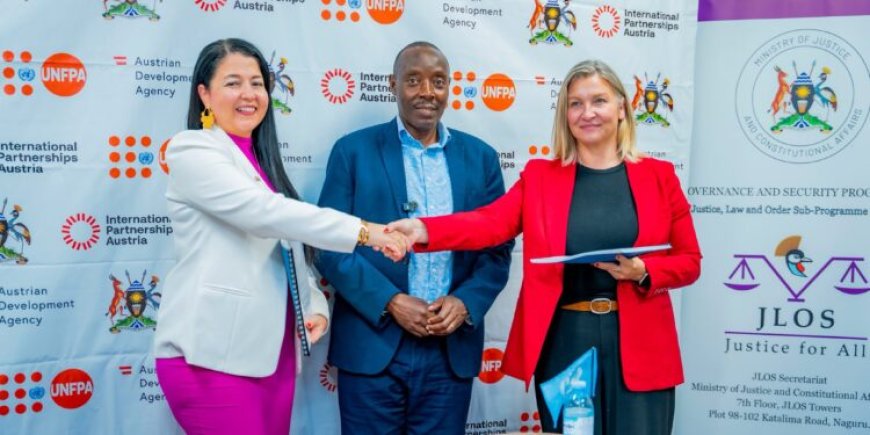
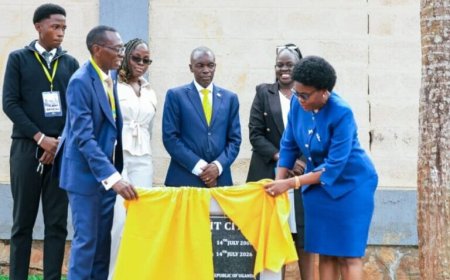
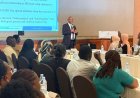
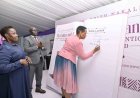
A new €3.2 million (about Shs15.45 billion) partnership has been formalized between Austria, the United Nations Population Fund (UNFPA), and the Government of Uganda to combat over 12,000 reported domestic violence cases and fix critical gaps in healthcare for rape survivors. The 30-month initiative, named the Sexual and Reproductive Health, Access to Justice, Freedom, Equality and Rights (SAFER) Project, will run from September 2026 to February 2029. It specifically targets the Karamoja, Acholi, and Lango sub-regions to improve sexual and reproductive health and rights (SRHR), fast-track access to justice, and provide holistic support for gender-based violence (GBV) survivors. Dr. Katja Kerschbaumer, Head of the Austrian Embassy in Kampala, emphasized that behind these figures are real individuals deserving of dignity, protection, and legal remedy. The project expands its scope beyond physical violence to target hidden and emerging abuses, including economic denial, psychological trauma, child marriage, and technology-facilitated digital abuse. Kerschbaumer said that the project is expected to directly benefit approximately 830,000 people, including 432,000 women and girls and 398,000 men and boys, while reaching 186,000 people considered at risk of gender-based violence. The initiative comes amid significant regional disparities in the prevalence of violence against women and girls. Kerschbaumer cited figures showing that 69.2 per cent of women in Karamoja and 48.6 per cent in Lango have experienced spousal violence in their lifetime, compared with 61.3 per cent nationally. She also said four in 10 girls in Karamoja marry before the age of 18, while only 28 per cent of health facilities in the sub-region provide comprehensive clinical management of rape. “These figures are not just statistics,” Kerschbaumer said, emphasising that behind every reported case is a person entitled to dignity, protection and timely access to justice. She said gender-based violence extends beyond physical assault to include economic, psychological, emotional, cultural and technology-facilitated abuse, forms of harm that can leave survivors dependent on perpetrators and unable to seek assistance. Kerschbaumer cited economic abuse, including situations in which women are denied control over their earnings or prevented from accessing household resources, as one example of violence that may remain hidden but can have lasting consequences. She also warned that child marriage deprives girls of education and exposes them to health risks, sexual violence and economic dependence. For the Austrian government, she said, addressing GBV is both a human rights obligation and a development priority because violence undermines women’s participation in education and the economy while placing additional pressure on families, health services and justice institutions. UNFPA Uganda Country Representative Kristine Blokhus said Austria had committed €3.2 million to the new phase, which will consolidate institutional gains made during the project’s first two phases. The SAFER project coordinates efforts across justice, policing, prosecution, healthcare, and civil society. Robert Kasande, Permanent Secretary in the Ministry of Justice and Constitutional Affairs, reaffirmed the government's commitment to translating this multi-billion shilling agreement into measurable changes on the ground. The long-term goal is to embed these safe zones, psychosocial systems, and legal pathways directly into Uganda's public infrastructure. This aligns directly with Uganda's Fourth National Development Plan (NDP IV 2025/26–2029/30) and Vision 2040, ensuring that protection outlasts the formal funding window. Robert Kasande, Permanent Secretary in the Ministry of Justice and Constitutional Affairs, said access to sexual and reproductive health services was also a matter of human rights, dignity, equality and justice. He reaffirmed the ministry’s commitment to working with Austria, UNFPA and other government institutions to strengthen coordination, improve access to remedies and ensure that the programme produces measurable results. Kasande said the project’s success would depend on the ability of participating institutions to translate the agreement into tangible improvements in people’s lives. He also commended Austria and UNFPA for their continued support, saying the partnership would help strengthen institutional frameworks and protect the rights of women, girls and other vulnerable groups. The project aligns with Uganda’s Fourth National Development Plan for 2025/26–2029/30 and Vision 2040, according to UNFPA, which said government ownership would be critical to sustaining the gains made through the initiative.
 Felix Oketcho
0
4