UGANDA REMAINS EBOLA-FREE WITH TIGHTENED BORDER CONTROLS
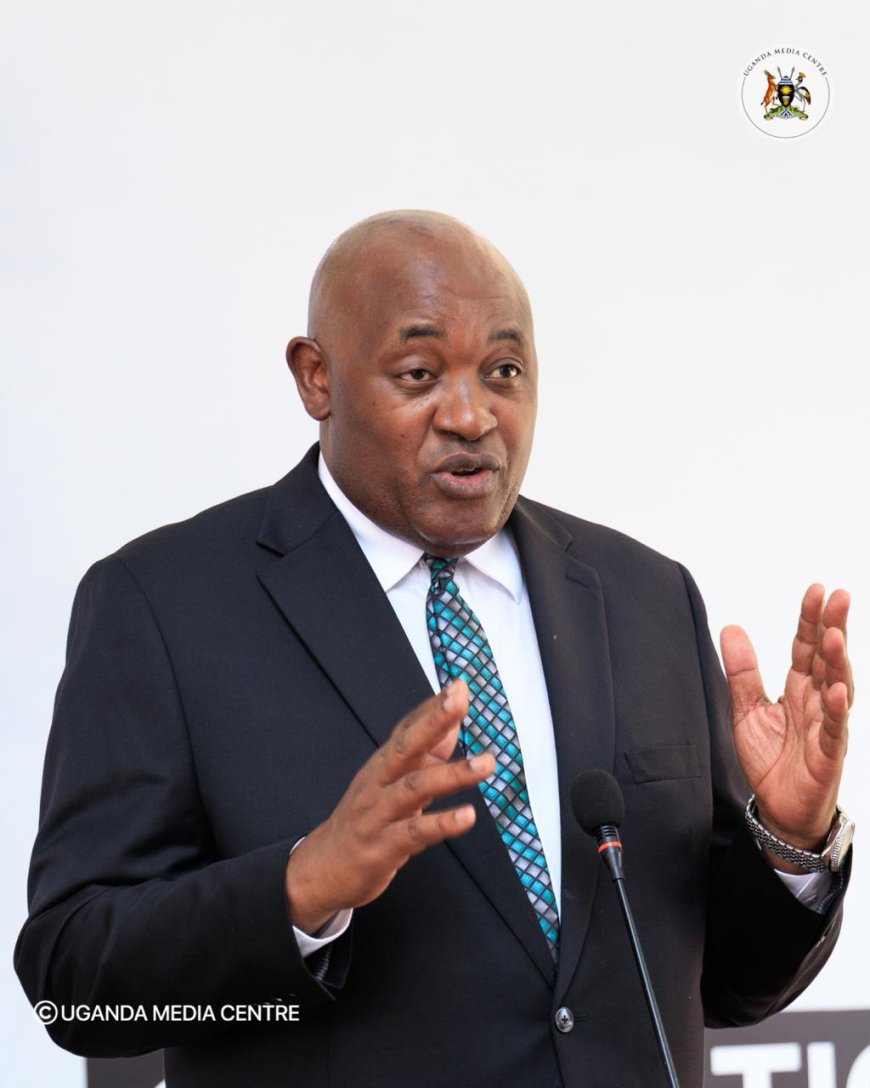
The Minister of Health, Hon. Dr. Chris Baryomunsi, has confirmed that Uganda remains completely Ebola-free, with zero active cases or deaths nationwide. Following the successful interruption of the Bundibugyo virus disease outbreak earlier this year—declared over on 28 July 2026—the Ministry of Health has shifted to an aggressive dual strategy: tightening domestic border vigilance and actively suppressing transmission at the source in the neighboring Democratic Republic of Congo (DRC). To protect domestic borders, Ugandan medical teams are deployed on the ground inside the DRC (Aru, Kasenyi, and Butembo), dramatically outperforming regional averages in case management. Uganda has further expanded its regional containment safety net by signing a Memorandum of Understanding (MoU) with South Sudan, deploying technical response teams to the Central African Republic, and partnering with Rwanda to synchronize readiness protocols. The Ministry of Health emphasizes that regional governments and global partners must maintain essential health services in the DRC—such as maternal care and routine immunizations—alongside Ebola containment. The Government of Uganda extends its gratitude to frontline health workers, implementing partners, and the cross-border task forces for their patriotic service in securing global health security. Uganda has proven once again that its frontline health workers and rapid response systems are among the most formidable on the African continent. After a sudden, cross-border infiltration of the deadly Bundibugyo virus disease on 15 May 2026—sparked by Democratic Republic of Congo (DRC) nationals slipping into local hospitals for treatment—the Ministry of Health mounted a lightning counter-offensive. By 28 July 2026, local transmission was officially declared dead. But as the Ministry of Health made a major breakthrough by discharging all 60 Ugandan contacts linked to a recent Kenyan traveller’s Ebola Virus Disease (EVD) case after 21 days of zero symptoms, a stern, hard-hitting warning has been issued to the public: The end of local transmission does not mean the end of the threat. With active Ebola transmission still raging across closely connected trading communities in the DRC, Uganda is locking down its points of entry. The message from health authorities is uncompromisingly clear: cooperate with border health security, or face immediate arrest, forced quarantine at your own expense, and prosecution under the Public Health Act. To prevent a catastrophic resurgence, the government has enacted a multi-layered containment strategy designed to isolate the threat before it penetrates the heart of the country. In tandem with the border crackdown, health authorities completely dismantled panic-inducing social media rumors regarding the western region. Kasese District has zero confirmed Ebola cases and has recorded no deaths from the disease. Simultaneously, genomic and travel investigations remain underway in partnership with Nigerian health authorities to track a separate case that moved through Uganda en route to Abuja, Nigeria. This is no longer just a medical response; it is a matter of national security. Security agencies, heavily coordinated by Resident District Commissioners (RDCs) across border districts, have been deployed to enforce compliance with iron-clad resolve. Anyone caught deliberately dodging health checkpoints, concealing travel history, lying to contact tracers, or escaping isolation will be handled as a criminal. Defaulters face an immediate 21-day forced quarantine billed entirely to their personal bank accounts, followed by swift criminal prosecution. Uganda has successfully pushed the virus back into the trenches. To keep it there, every citizen, trader, and traveler must remain fiercely vigilant.
 Felix Oketcho
0
5