THE SHS 13 TRILLION STALEMATE: INTERNATIONAL LENDERS LOCK UP MUSEVENI’S SGR CASH AS OVERSIGHT AUDITORS STORM IGANGA
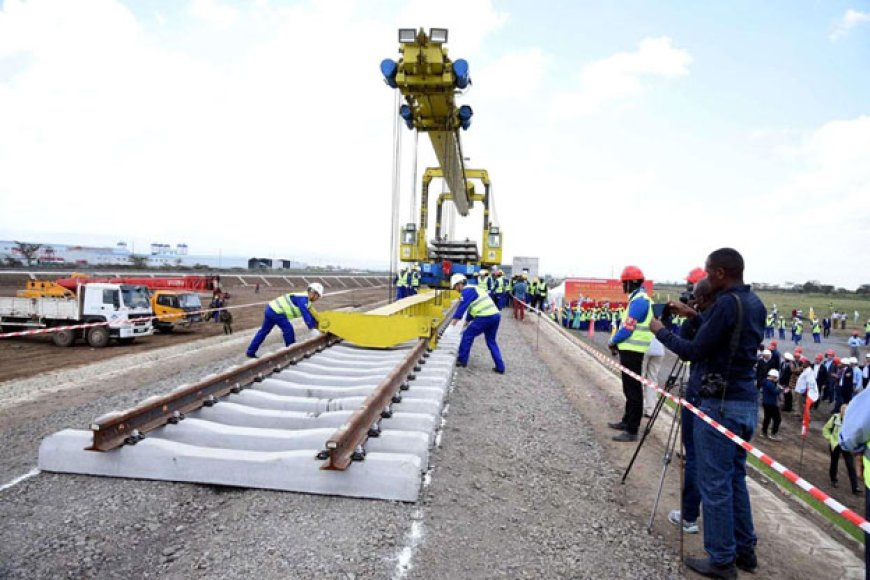
Uganda’s highly anticipated Standard Gauge Railway (SGR) project has hit another critical brick wall, with President Yoweri Museveni’s administration racing against a high-stakes November deadline to unlock €2.7 billion (Shs 13.31 trillion) in syndicated global funding. A specialized technical appraisal team from the OPEC Fund for International Development has quietly descended on the country. They are carrying out an exhaustive on-site audit along the Kampala-Malaba corridor. The target of their scrutiny is a strict compliance gateway: verifying whether the €75 million (Shs 361.6 billion) in domestic taxpayer cash fronted during the initial preparatory phase was deployed transparently, or if it has fallen victim to the project's historical decade of inflated pricing and contractual scandals. The funding framework, meticulously engineered by lead arranger Citibank, contains an aggressive mechanism designed to shield international boards from local macroeconomic risk. The global lender syndicate—which joins Germany’s KfW IPEX-Bank, the Islamic Development Bank (IsDB), and the OPEC Fund—mandated that the Government of Uganda independently fund early structural works out of its own pocket first. By forcing the state to finance early developments like the Iganga concrete sleeper factory and grading works, the lenders successfully insulated their capital until Uganda proved definitive local "skin in the game." Any unresolved land acquisition compensation issues or asset mismanagement flagged by the OPEC inspectors in Iganga, Mukono, or Kampala will immediately disrupt the syndication. The timing is incredibly sensitive; the findings will arrive just as top executives from KfW and Citibank gather in Frankfurt for Germany's Euro Finance Week (November 16–20), where overseas infrastructure loan distributions face intense institutional review. Further complicating negotiations with international underwriters is a highly volatile domestic messaging structure. To accelerate preliminary construction ahead of full financial closure, Uganda signed a Limited Notice to Proceed (LNTP) agreement with Turkish contractor Yapı Merkezi. However, the arrangement was thrown into strategic confusion when the Chief of Defence Forces, Gen. Muhoozi Kainerugaba, publicly announced that the contractor's deal had been summarily canceled. While SGR technical administrators assert that operations are ongoing and land acquisition has crossed 70%, the public contradiction from the top military brass has rattled export credit agencies, insurers, and international guarantors who demand total political predictability before executing multi-trillion-shilling infrastructure debt. With Kenya aggressively expanding its own line from Naivasha to the Malaba border to capture regional freight supremacy, the pressure on Uganda to deliver is absolute. Despite Treasury Permanent Secretary Ramathan Ggoobi reaffirming a commitment to secure financial closure this month, the web of compliance bottlenecks suggests the true release of money will inevitably slide into next year.
 Felix Oketcho
0
2