
Inside the Quest to Unlock the Ankole’s Hidden Dairy Potential
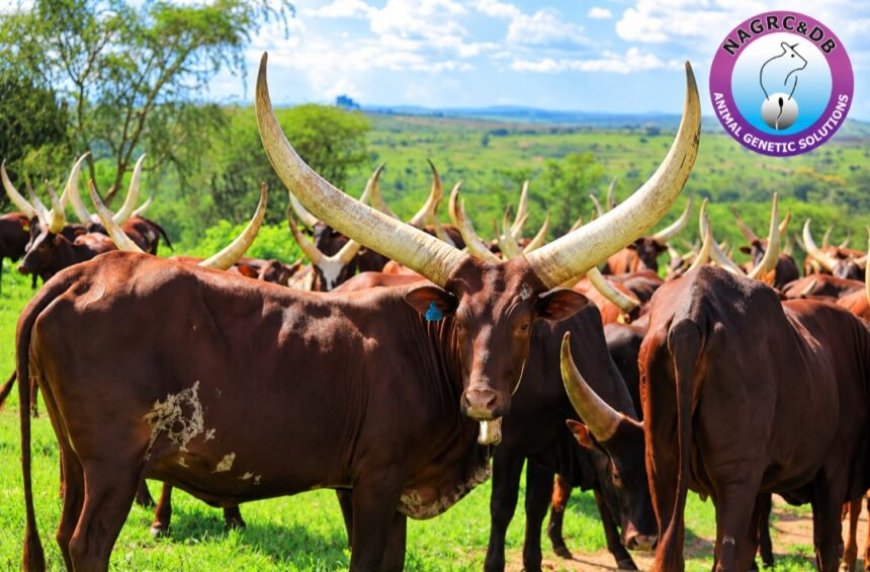
Uganda’s iconic Ankole Longhorn cattle are undergoing a revolutionary transformation at the Nshaara Conservation Ranch in Kiruhura district. Experts from the National Animal Genetic Resources Centre and Data Bank (NAGRC&DB) are successfully boosting milk yields using systematic genetic selection and improved nutrition—all while keeping the breed 100% pure. Rather than crossbreeding with exotic European varieties, scientists are proving that the key to Uganda's dairy future might already be coded in the DNA of its most ancient breed. For centuries, the Ankole Longhorn has been celebrated for its majestic, sweeping horns and its legendary resilience against harsh landscapes, ticks, and droughts. However, when it came to commercial dairy production, they were traditionally sidelined. A standard Ankole cow typically yields an average of just 2 litres of milk during a morning milking. To satisfy a growing demand for milk, the standard industry practice has long been crossbreeding indigenous cows with exotic genetics like Frisians. But three years ago, NAGRC&DB decided to chart a completely different course. "We are not trying to turn the Ankole into an exotic dairy cow," explains Dr. Innocent Tuwangye, Manager of Nshaara Conservation Ranch. "We are identifying superior dairy traits that already exist within the pure Ankole population and systematically selecting and multiplying those genetics." [1] By screening the existing herd at Nshaara and bringing in superior genetics from other recognized sources—such as the Kisozi Ankole Longhorn conservation herd—the team began an intensive program of "insourcing" excellence. They prioritized milk yield, lactation length, udder shape, and short calving intervals to find the ultimate indigenous dairy queen. In just a short window, the herd witnessed a massive 65.4 percent surge in average daily productivity. On an individual level, selected cows are now regularly clocking 5 to 10 litres in a single morning session, with exceptional standouts hitting up to 12 litres. One absolute superstar cow even achieved a peak morning yield of 14 litres. The project quickly revealed that elite genetics mean very little without the fuel to back them up. To ensure the cows could actually express their newfound genetic potential, Nshaara upgraded its nutritional game, supplementing traditional pasture grazing with high-quality hay and silage grown right on the ranch. "Our records are increasingly showing us that breeding and feeding must move together," notes Dr. Peter Beine, Executive Director of NAGRC&DB. "Selection identifies the animal with superior genetic potential, but nutrition determines how effectively that potential is expressed." The ultimate objective at Nshaara is no longer about celebrating a few isolated, exceptional animals. The focus has officially shifted to cementing these traits so they pass reliably from generation to generation. By choosing breeding bulls whose mothers were proven high-producers, NAGRC&DB is ensuring that the daughters of tomorrow inherit the high-yielding traits naturally. What started out as an experiment to find a few unique cows is fast becoming a blueprint for national food security. It proves that Uganda doesn't need to replace its cultural icon to feed its future; it just needs to let the Ankole do what it does best—adapt, survive, and now, produce.
 Felix Oketcho
0
3