Embassy of the Kingdom of the Netherlands has committed approximately UGX 57.6 billion To Strengthen Adolescent Health
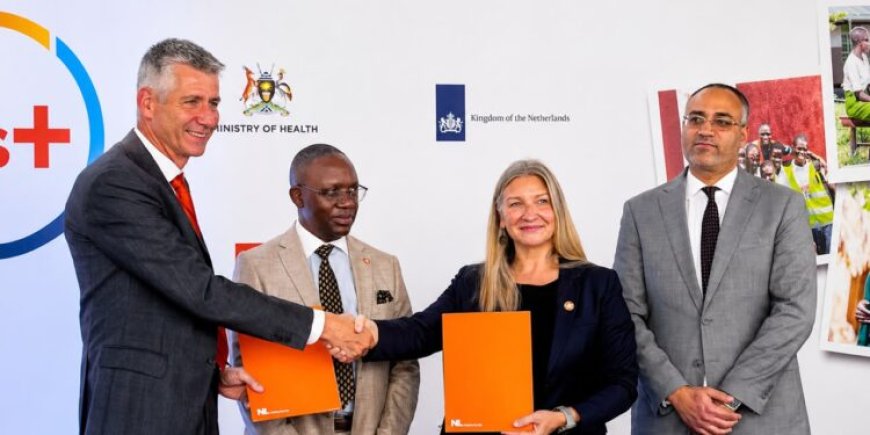
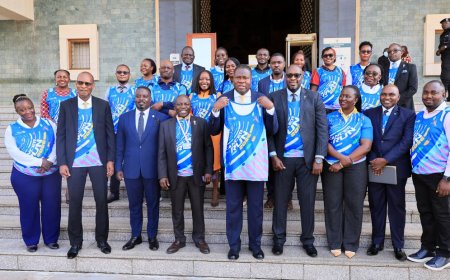
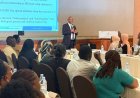
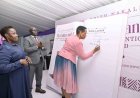
The Embassy of the Kingdom of the Netherlands has committed approximately UGX 57.6 billion (US$16 million) to the United Nations Population Fund (UNFPA) to strengthen adolescent health sexual and reproductive rights, and youth empowerment in Uganda under the Strengthening Adolescents and Youth Rights and Empowerment (SAY+) Programme. UNFPA Uganda Country Representative Kristine Blokhus described the contribution as a significant investment in Uganda’s young population and praised the Uganda government for providing leadership in advancing adolescent and youth health. “On behalf of UNFPA, I wish to express our sincere gratitude to the Government of the Kingdom of the Netherlands for their generous US$16 million contribution to the SAY+ programme,” Blokhus said. She noted that the Ministry of Health’s commitment to integrated health services, bodily autonomy and the rights of young people has created a strong national foundation upon which the programme will build. Blokhus also paid tribute to Denmark for initiating the original SAY Programme before Sweden and Iceland joined to expand it into the current SAY+ initiative. She said Uganda’s youthful population—estimated at about 73 percent of the country’s population—presents a major opportunity for economic growth if young people are healthy, educated and empowered to make informed decisions about their lives. According to UNFPA, 24 percent of Ugandan teenage girls become pregnant each year, translating to roughly 1,000 adolescent pregnancies every day. Many girls are forced out of school due to unplanned pregnancies, gender-based violence and other health-related challenges, limiting both their future opportunities and the country’s broader development. Blokhus said the Netherlands’ funding will help address these challenges by strengthening health facilities and community structures to provide integrated, youth-friendly services covering sexual and reproductive health, HIV prevention and gender-based violence response. The programme will also equip young people with accurate information, life skills and opportunities to exercise their rights while engaging communities, families and local leaders in ending harmful practices such as child marriage and gender-based violence. A key feature of the partnership is the establishment of a Youth Advisory Committee, designed to ensure young people actively participate in designing, implementing and monitoring programmes intended to serve them. “Nothing for us without us,” Blokhus said, emphasizing that young people should be partners rather than passive beneficiaries of development programmes. Representing the Embassy of the Kingdom of the Netherlands, Deputy Head of Mission Bouwe-Jan Smeding reaffirmed his country’s commitment to advancing sexual and reproductive health and rights both globally and in Uganda. Smeding said the Netherlands believes in sustained action to eliminate gender-based violence and improve adolescent wellbeing, rather than limiting advocacy to annual awareness campaigns. He highlighted the Netherlands’ success in maintaining one of the world’s lowest teenage pregnancy rates through comprehensive sexuality education and universal access to modern contraceptives. Smeding expressed concern over Uganda’s adolescent health indicators, noting that 24 percent of girls become pregnant during adolescence while 32 percent are married before the age of 18, despite existing legal protections. He also warned of growing global resistance to sexual and reproductive health and rights, saying future interventions must remain evidence-based, culturally sensitive and focused on measurable impact. “The Netherlands and UNFPA remain committed to sustaining these gains through domestic financing and strategic partnerships that deliver long-term results,” he said. Youth Advisory Committee representative Hellena Nagawa welcomed the formation of the committee, saying it demonstrates genuine commitment to meaningful youth participation. She explained that committee members were involved during the programme’s design phase, reviewing the proposal, assessing the results framework and providing recommendations before key decisions were finalized. “Young people are often invited after decisions have already been made. This process was different because our voices were sought while there was still room to influence the programme,” Nagawa said. She commended the Netherlands for investing not only in youth programmes but also in structures that institutionalize youth participation in policy making and programme implementation. “The real impact of this partnership will be measured through healthier lives, stronger systems and greater confidence among young people that their voices truly matter,” she added. Representing the Ministry of Health, Director of Public Health Dr. Daniel Kyabayinze thanked the Netherlands for the investment and described the partnership as another milestone in Uganda’s efforts to improve adolescent health. Dr. Kyabayinze revealed that the US$16 million grant will focus on Busoga sub-region, particularly the districts of Namutumba, Buyende, Bugweri and Mayuge, where adolescent pregnancy, early motherhood, school dropout and gender-related vulnerabilities remain major concerns. He emphasized that investing in adolescent health is central to Uganda’s human capital development agenda. “With 73 percent of our population below the age of 30, Uganda’s greatest asset is its young people. Protecting their health enables them to stay in school, acquire skills and contribute meaningfully to national development,” Kyabayinze said. The Netherlands now joins Denmark, Sweden and Iceland among the key international partners financing the SAY+ Programme, reinforcing a multi-donor effort aimed at expanding sexual and reproductive health services, preventing adolescent pregnancies and ensuring Uganda’s young people can realize their full potential
 Felix Oketcho
0
5