"MAKE USE OF UBOS STATISTICAL DATA FOR PLANNING PURPOSES," MINISTER AMOS LUGOLOBI TELLS POLICY MAKERS
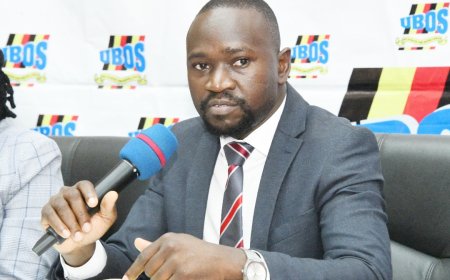
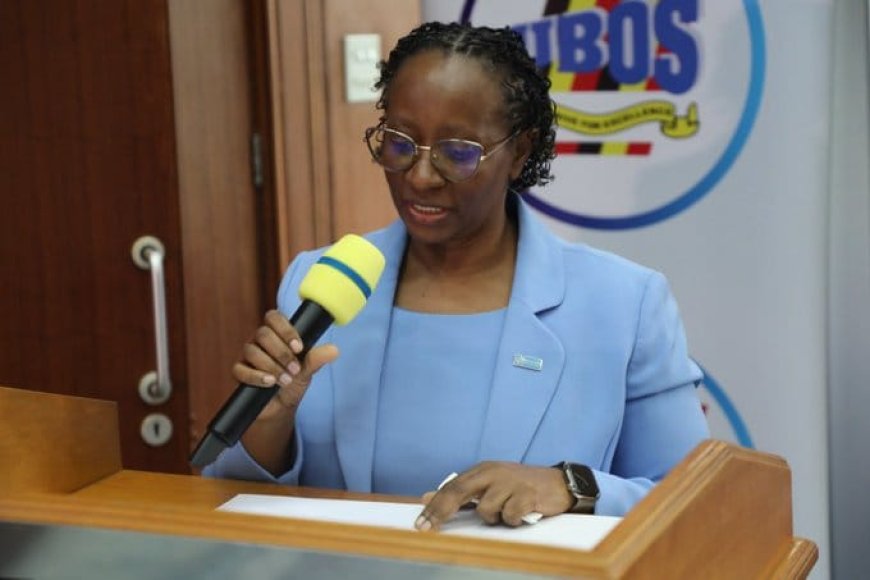
The UBOS Board Chairman Albert Byamugisha said that “the board is committed to fostering a strong environment for executing the Bureau’s mandate: coordinating, monitoring, and supervising the national statistical system while producing official statistics for the country”
 Felix Oketcho
By Our Reporter
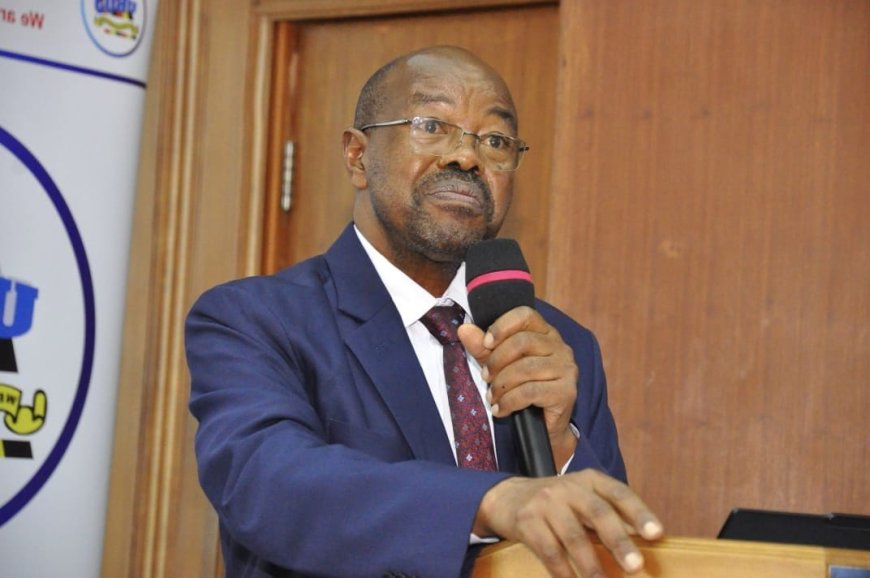
The Minister in Charge of Planning Amos Lugolobi has asked policy makers and researchers to make use of available statistical data from Uganda Bureau of Statistics to plan better for the country.
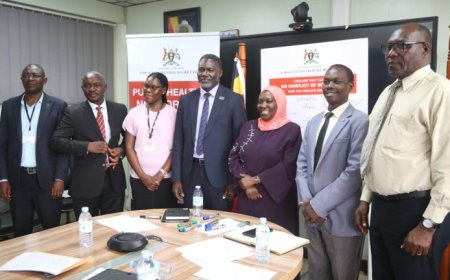
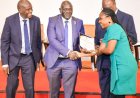
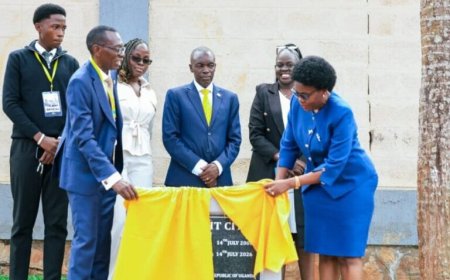
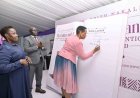
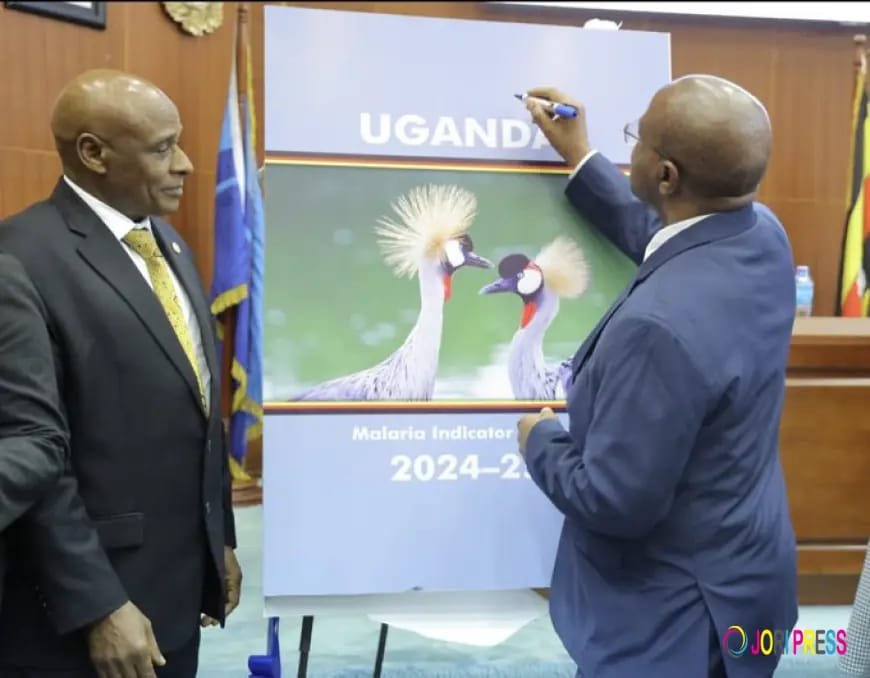
Officiating at the launch of Malaria Indicator Survey Report, Lugolobi commended Uganda Bureau of Statistics for strengthening the availability of timely national data and highlighted that findings from the Uganda Malaria Indicator Survey Report 2025 provide important insights to help government and partners better understand malaria trends, target high-burden areas, and strengthen prevention and treatment efforts.
He reaffirmed government commitment towards supporting the production of high-quality statistics that guide policy decisions, resource allocation, and improved public health outcomes in Uganda.
Lugolobi however noted that controlling malaria will require target interventions based on evidence of official statistics from UBOS that he said will interrogate where the problem is and addressed.
He commending UBOS and partners for conducting the survey which he said will be utilized by users to relate budgeting, planning monitoring and outcomes.
“Reliable and timely statistics is essential for planning, budgeting and the development outcomes. By translating evidence into action can reduce malaria” he said.
Dr Chris N. Mukiza, Executive Director of UBOS noted that the launch of the Uganda Malaria Indicator Survey Report 2025 marks the 1st in a series of 8 statistical products scheduled for dissemination between the month of March and May 2026.
"These studies provide reliable and timely data to inform policy decisions, programme planning, and resource allocation across sectors,"he stated.
The Uganda Malaria Indicator Survey 2024/2025 Report is one of the key national statistical products that provides critical data to guide the fight against malaria and support health sector planning and monitoring purposes.
“We are honored to launch the Uganda Malaria Indicator Survey 2025 Report. On behalf of the statistics team, we sincerely thank you all stakeholders who joined us today to review the findings and support evidence-based planning and decision-making in Uganda” he said
He expressed gratitude to the partners that insured that the survey was a success including Global Fund, US Embassy, Gates Foundation, WHO among others.
The UBOS Board Chairman Albert Byamugisha said that “the board is committed to fostering a strong environment for executing the Bureau’s mandate: coordinating, monitoring, and supervising the national statistical system while producing official statistics for the country”
The Head of Mission of WHO in Uganda, Dr. Kasonde Mwinga said that World Health Organization recommends malaria indicator surveys approximately every three years to track progress and guide strategy adjustments in the fight against malaria, while congratulating UBOS for the findings said that in order to save lives there is need to utilize accurate statistics from UBOS.
She pledged continued support to government as strategic partners, source of global expertise towards a malaria free future.
“WHO encourages countries to conduct malaria surveys every 3 years to truck progress of interventions. Data is important in saving lives” she said.
Dr. Ankunda the representative from the US Embassy said that following an increase in malaria cases over the recent years, it’s vital to enhance support to malaria programs to contribute the reduction of mortality rates.
One of the statisticians at UBOS wo participated in the survey Mr. Stephen Balahira while breaking down the findings said that said that the main objective of the malaria indicator survey was to generate updated estimates of key malaria related demographics and health indicators in Uganda to inform malaria prevention, diagnosis and treatment programs.
“The last national census gave us a framework to conduct other survey and the malaria indicator is one of them. It was conducted in rural and urban areas including all selected households. The survey will inform malaria prevention, diagnosis and treatment programs” he said.
UBOS Senior Public Relation Officer . Didacus Okoth, said the released survey report was a core function of eliminating malaria is in line with the Younde declaration of 2024 that mandated health ministers on accountability for the 70% of the global malaria burden by accelerating reduction of malaria.
According to the survey 84% of the people in Uganda were found to have at least an Insecticide Treated Net (ITN) with majority people in.rural areas compared to urban areas. The percentage is highest in Teso (95%) and Lango(92%) and least in Kampala (69%).
Dr. Kasonde Mwinga, the lead researcher noted that while progress has been made in interventions such as use of insecticide treated nets. Malaria prevalence has risen from 10% in 2018–2019 to 13% in 2024–2025, showing that further efforts are needed.
The U.S. has provided essential malaria commodities, including 2.6 million insecticidal mosquito nets, 4.5 million rapid diagnostic tests, 2.2 million doses for uncomplicated malaria, and 200,000 treatment doses for severe malaria. In addition, an indoor residual spray campaign is being funded in seven Districts of Eastern Uganda, targeting nearly 822,000 Households and protecting approximately 2.9 million people.
This launch coincided with the signing of a historic five-year, nearly $2.3 billion (~UGX 18 trillion) Memorandum of Understanding on health cooperation between the United States and Uganda. The MOU underscores a shared commitment to lifesaving services, resilient health systems, and responsible use of resources, in line with the American First Global Health Strategy that emphasizes self-reliance, global leadership, and sustainable systems.
The survey’s findings will guide evidence-based interventions and strengthen collaboration under the U.S.–Uganda health MOU, aiming for a malaria-free future and improved public